

Field Notes: Katie’s Reflections on Kenya
By Katie McDonough, Executive Director of Custom Travel
Where the Wild Feels Familiar
There’s a feeling I had in Kenya that I still can’t fully explain. Of course, there was excitement, the wildlife, the movement, the adventure of it all, but underneath that was something quieter. A sense of calm. Ease. Belonging. It is a confusing feeling, as I was in an entirely unfamiliar place, a foreigner in a foreign land, yet I felt at ease, as if I had 'come home'. Perhaps that is because, in a way, it is like coming home.
I’ve heard other people describe this feeling before when talking about Kenya and the Horn of Africa. The explanation is always some version of the same idea: this is where we began. Where our earliest ancestors evolved, where curiosity and exploration first pushed humans forward. Maybe that feeling of connection comes from something ancient buried deep inside us. I don’t know. But I felt it.
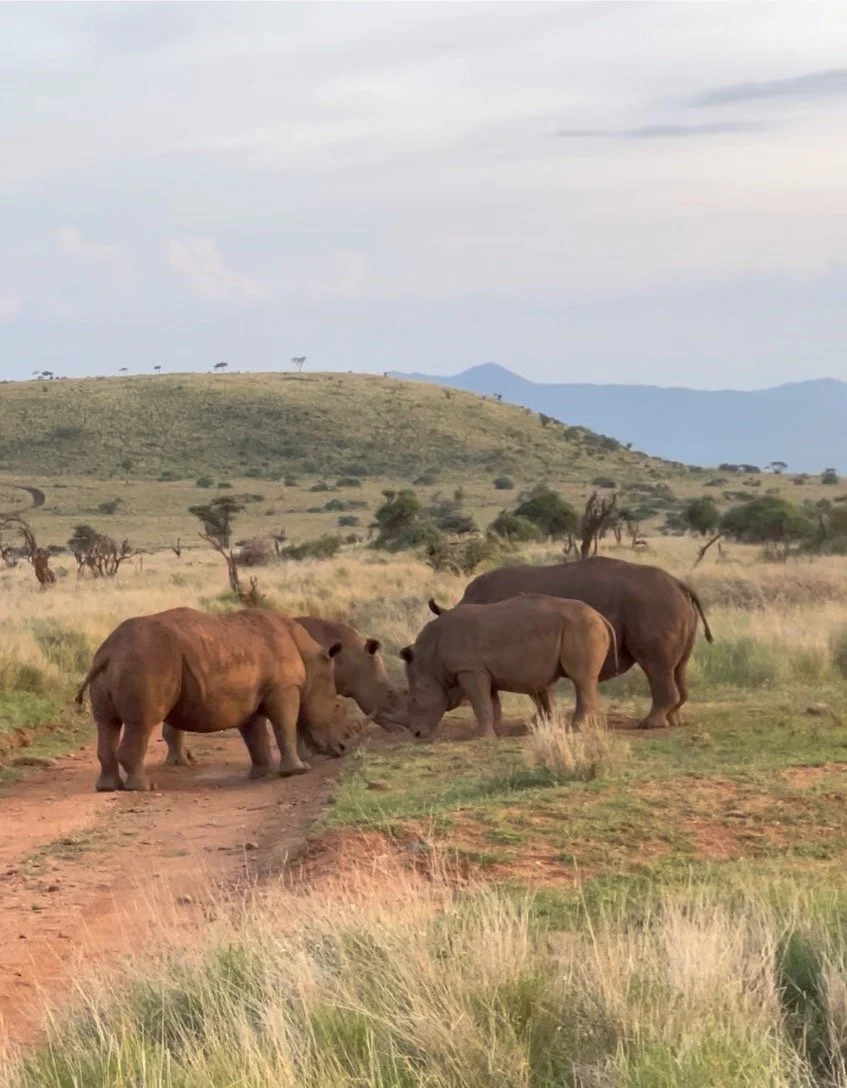
Kenya is one of Africa’s most iconic safari destinations, known for its extraordinary wildlife and phenomenal diversity. The Maasai Mara has one of the highest concentrations of lions anywhere in the world, and Laikipia is home to some of the continent’s most important rhino populations. But what stayed with me most on this trip was not only the wildlife. It was the people protecting it.
Kenya has become a global leader in conservation, and so much of that success comes down to community involvement. In the places I visited, conservation was not separate from daily life or imposed from the outside. Local communities are directly involved in tourism and conservation, and they benefit from it in tangible ways. Tourism supports jobs, schools, healthcare, and livelihoods. When people see real value in protecting wildlife and wilderness, conservation stops being theoretical. It becomes sustainable.
That idea shaped so much of my time in Kenya.
Conservation Through Community
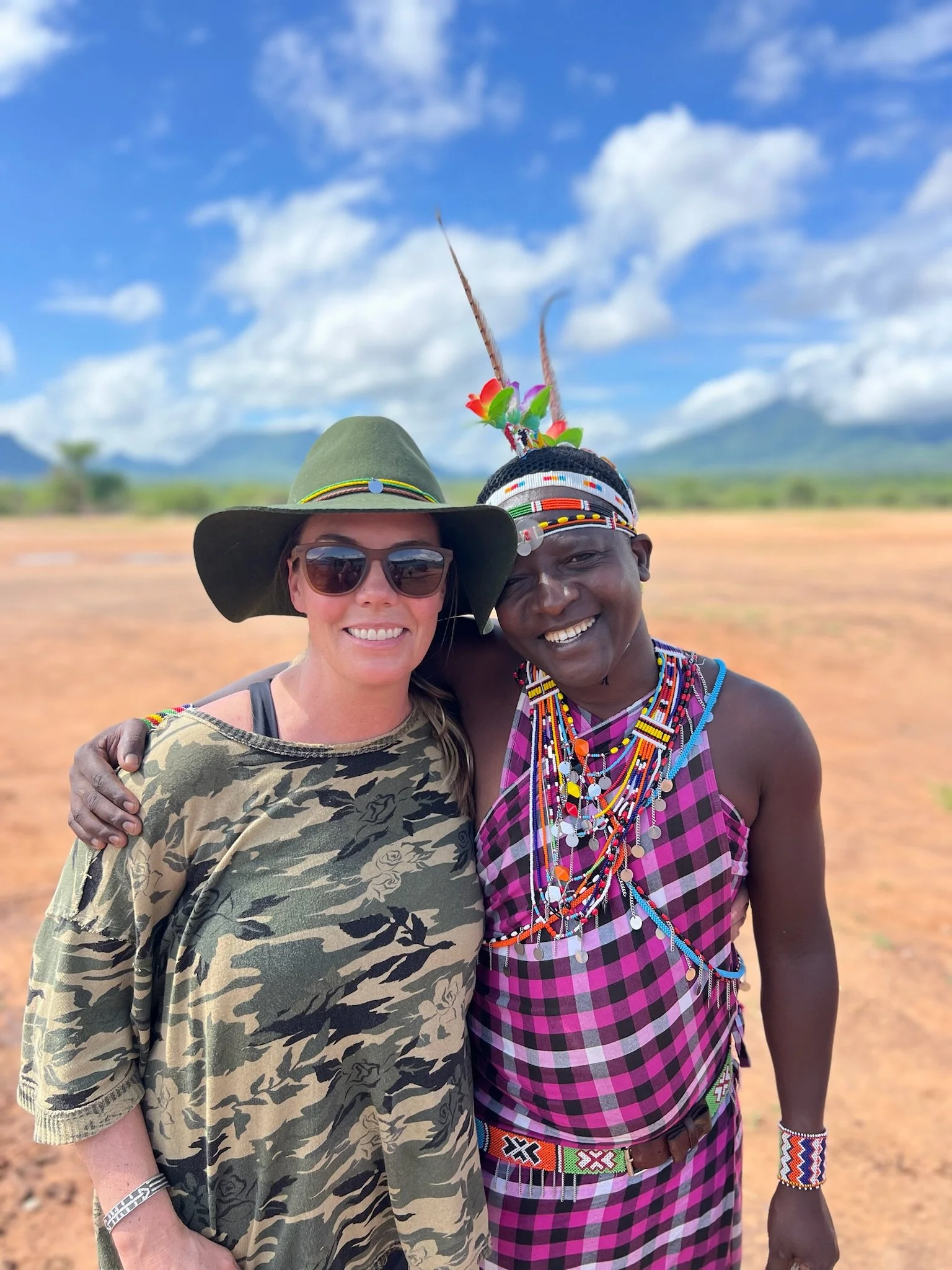
One of the places that affected me most was Sarara, a remote and wildly beautiful reserve in northern Kenya. The landscape feels vast and untouched, and the experience feels deeply personal. Here, the Samburu people are the owners of the land and decision makers. Visitors are welcomed as guests.
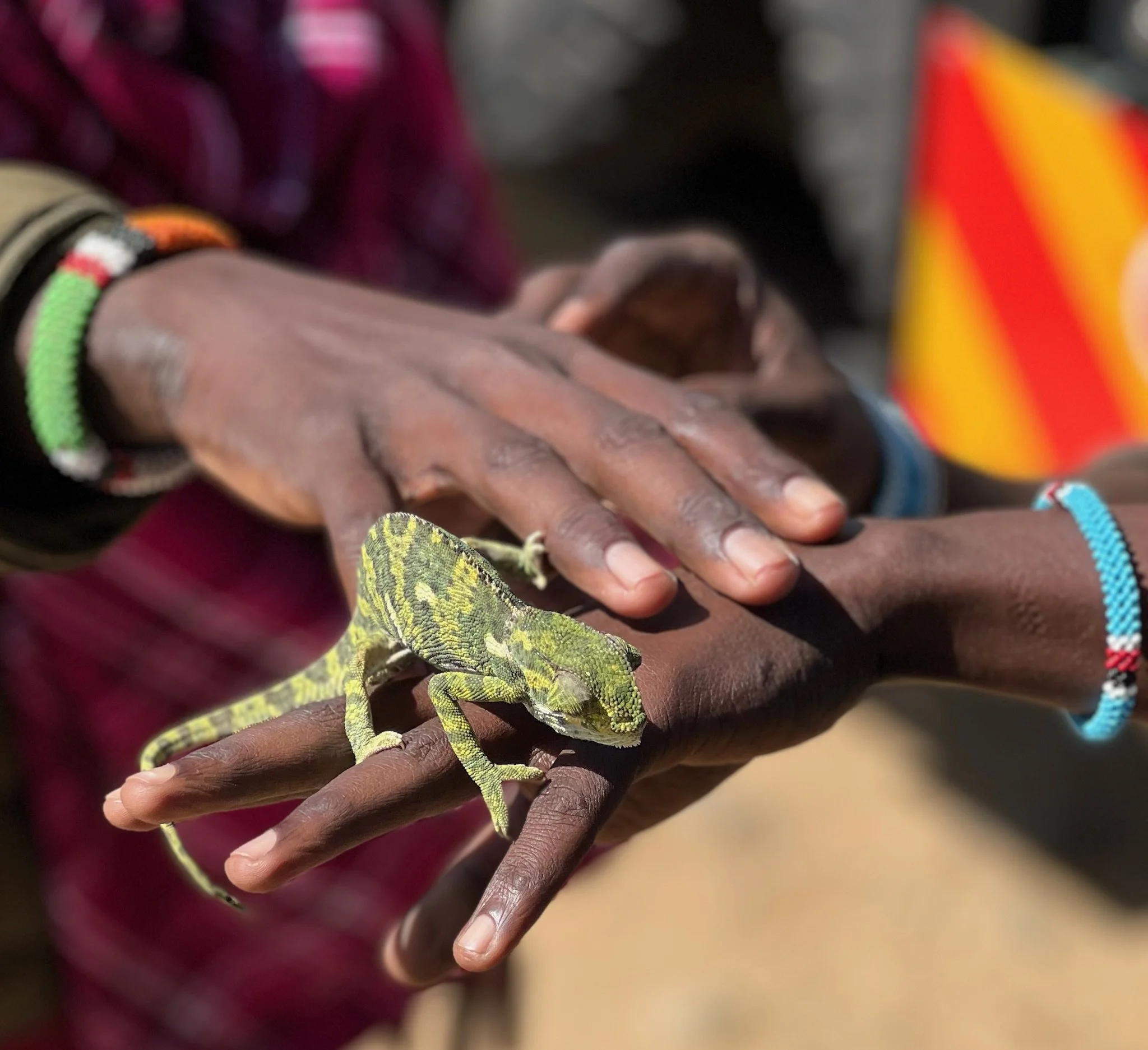
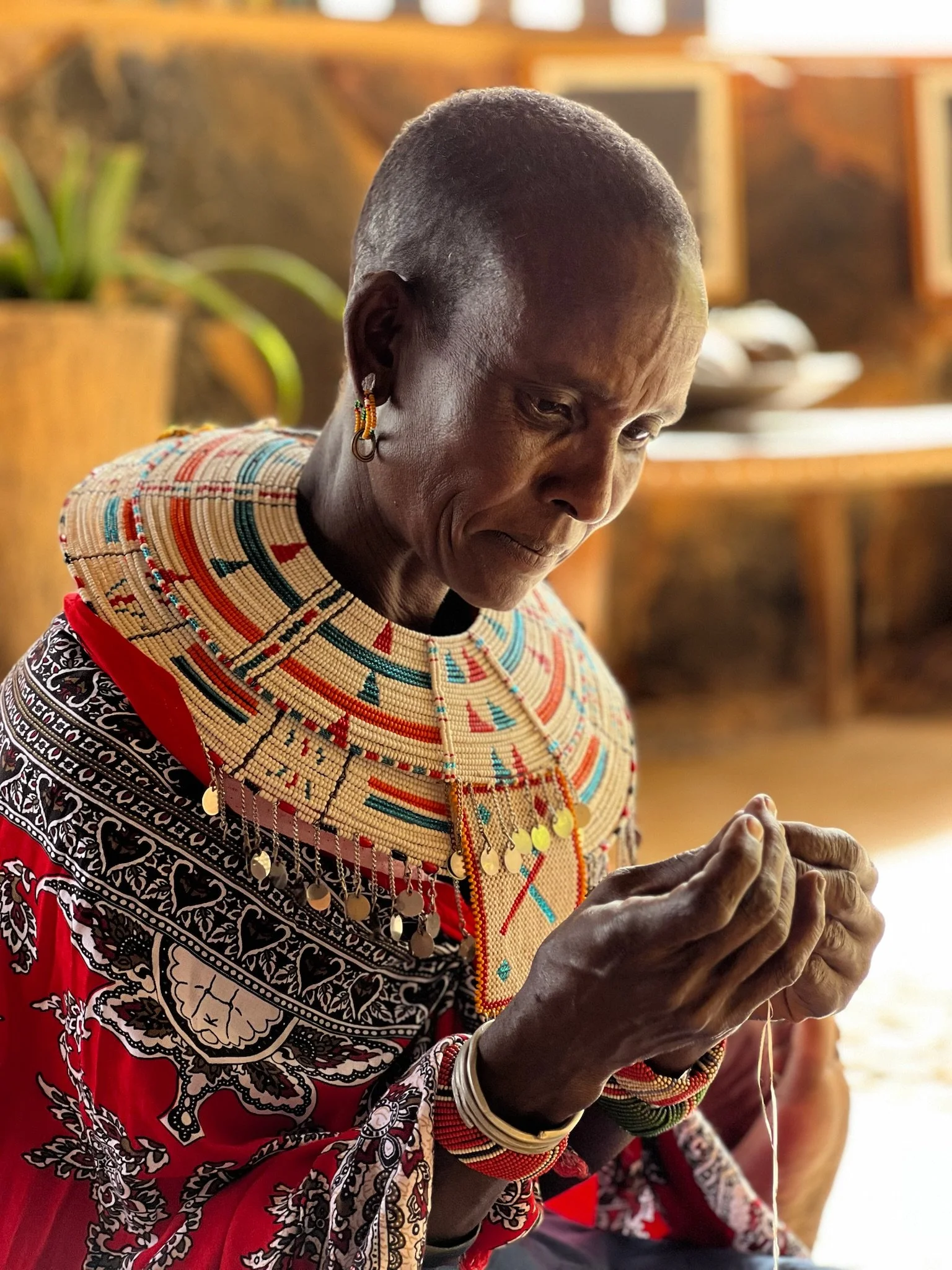
The Samburu do not allow guests to photograph them because they believe that taking an image of them takes part of their soul with it. I’ll admit that at first I was disappointed. They are strikingly beautiful people, adorned with intricate beadwork, and part of me wanted that iconic photo. But once I was sitting with them in the village, that feeling disappeared. Without a camera in my hand, I was more present. There was no pressure to capture anything. No performance. No transaction. Just conversation, laughter, and time spent together. It changed the entire interaction.
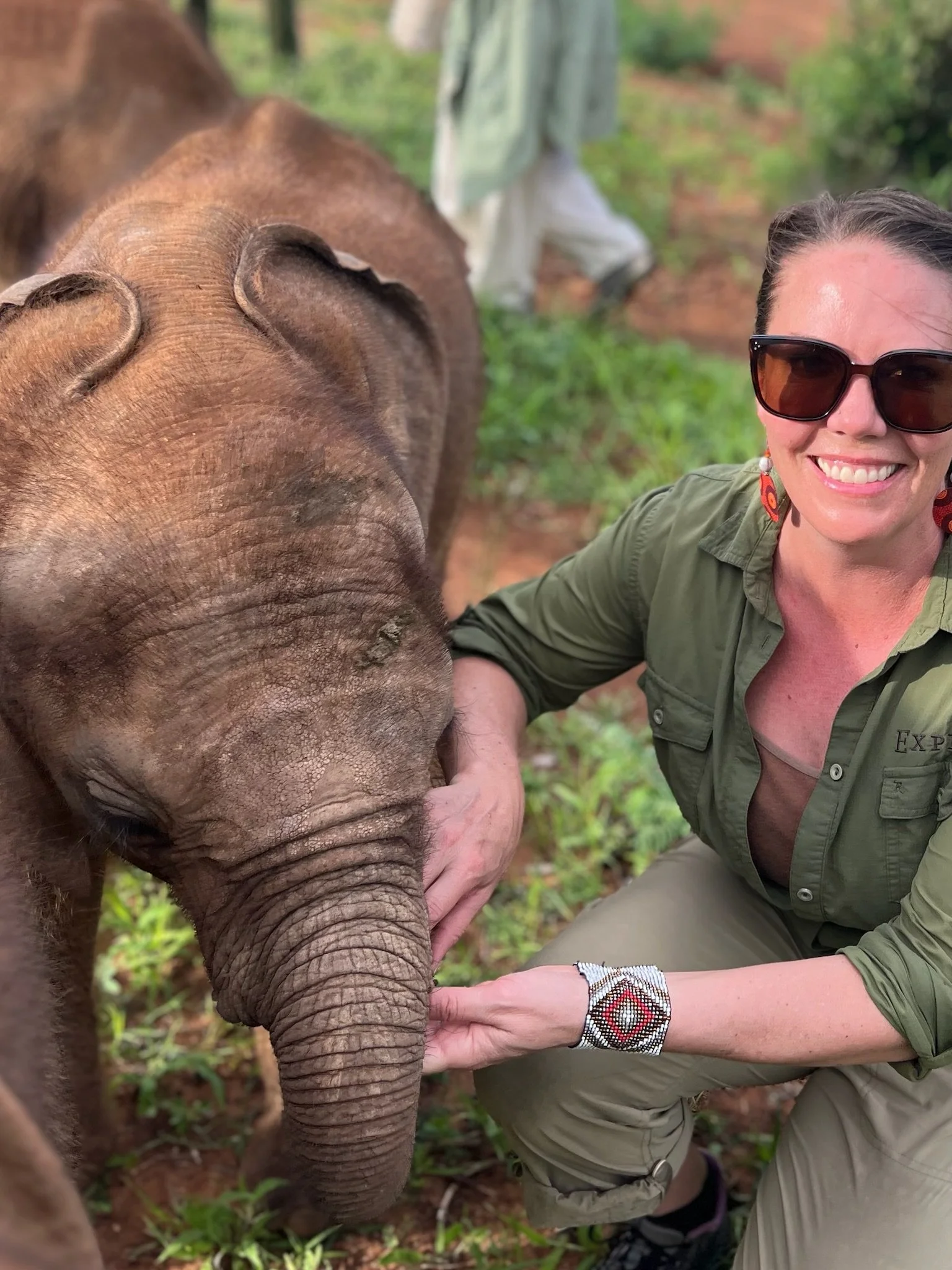
Another place that left a huge impression on me was the community-run Reteti Elephant Sanctuary. Orphaned elephants are raised here with support from tourism and conservation funding, but what makes the sanctuary so meaningful is how connected it is to the Samburu people.
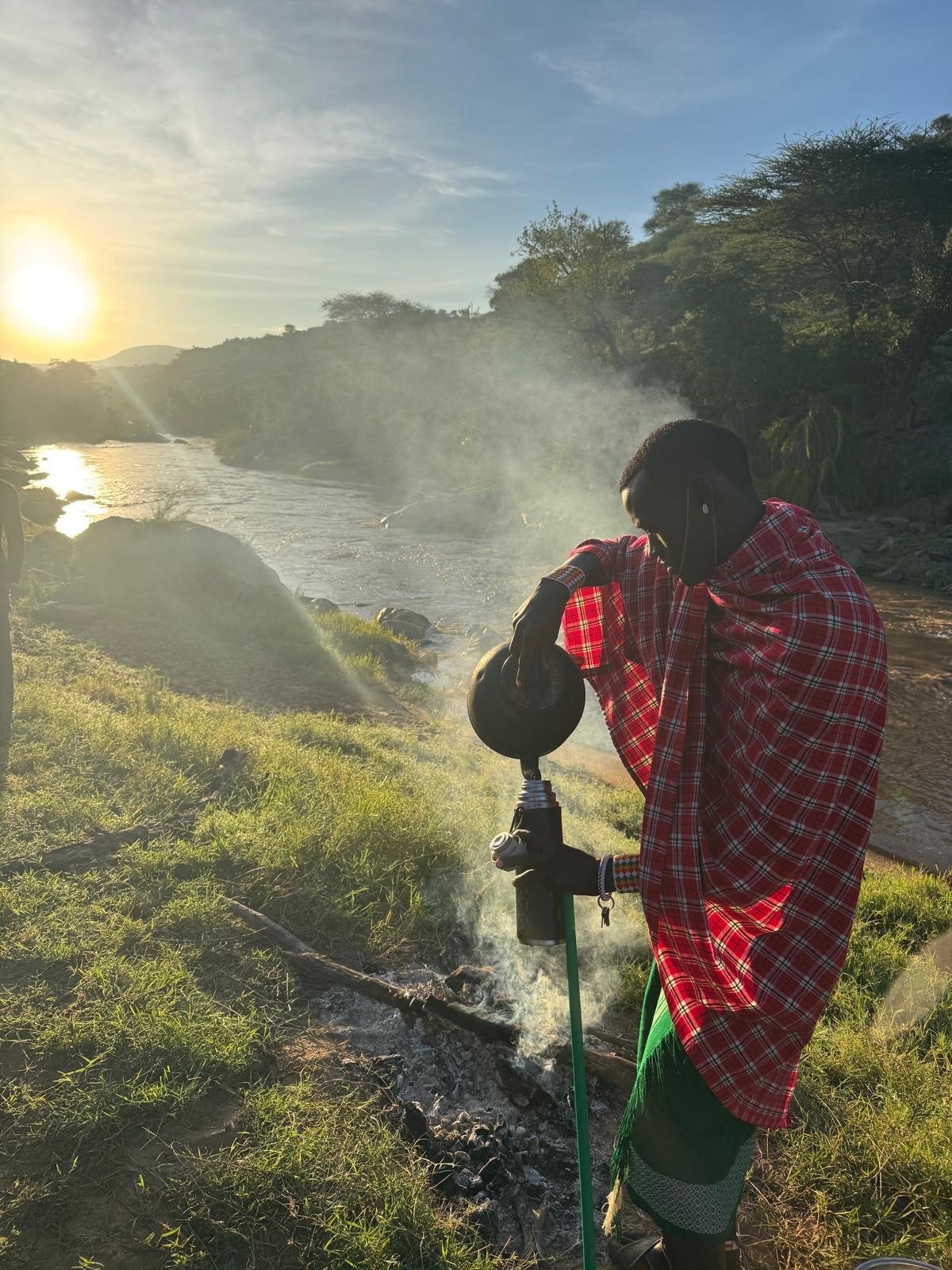
Each morning, local women bring goat and camel milk to collection points in the valley. They are met there by representatives of the sanctuary who collect and use it to feed the elephants; an initiative called “milk to market”. The women’s work creates a direct source of income. Watching the milk delivered, and then seeing the baby elephants bottle fed later that day, made the connection between community and conservation incredibly real. And yes, I got to spend time with the baby elephants. It is every bit as magical as you would imagine!
Wildlife Sightings
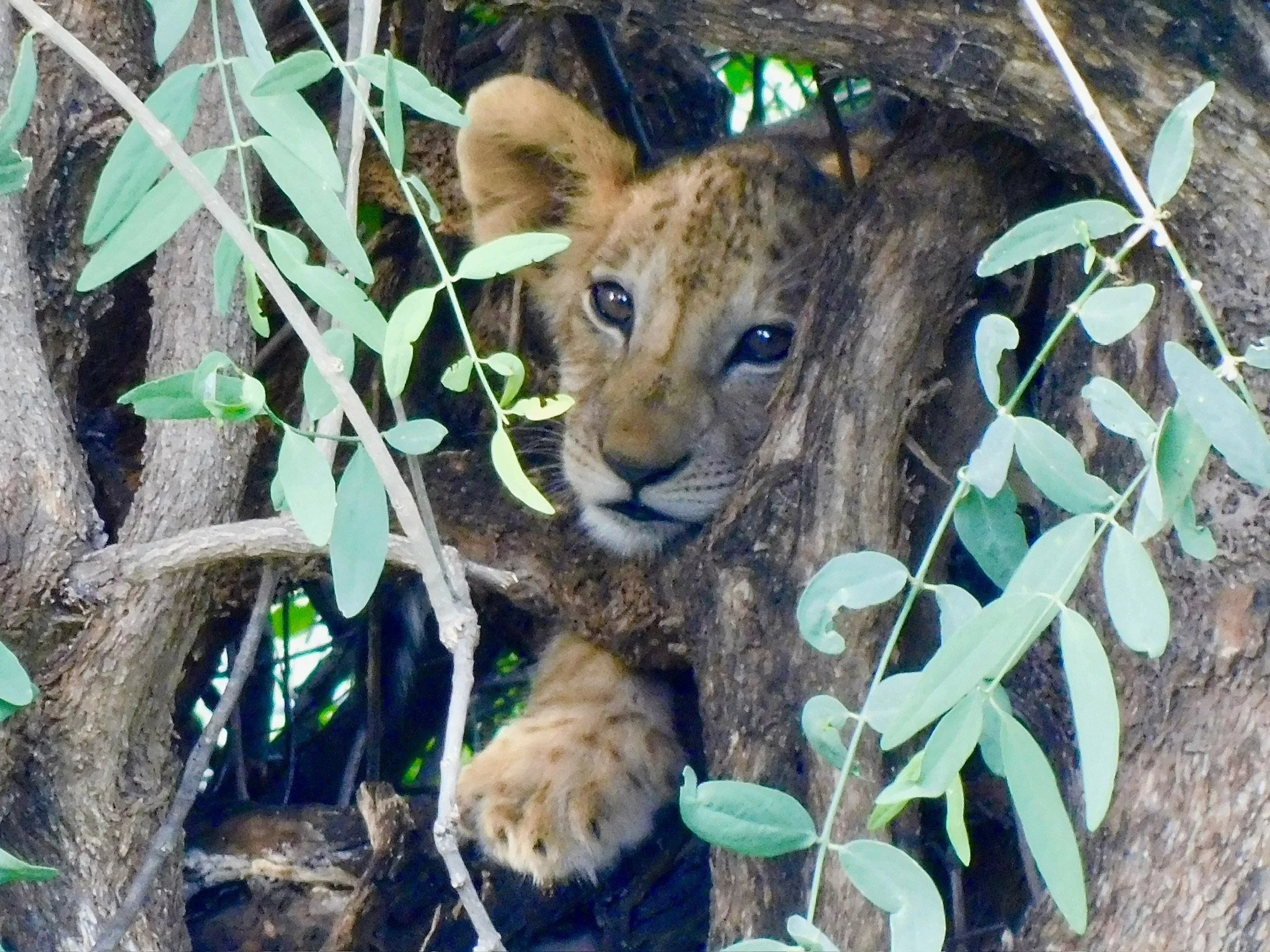
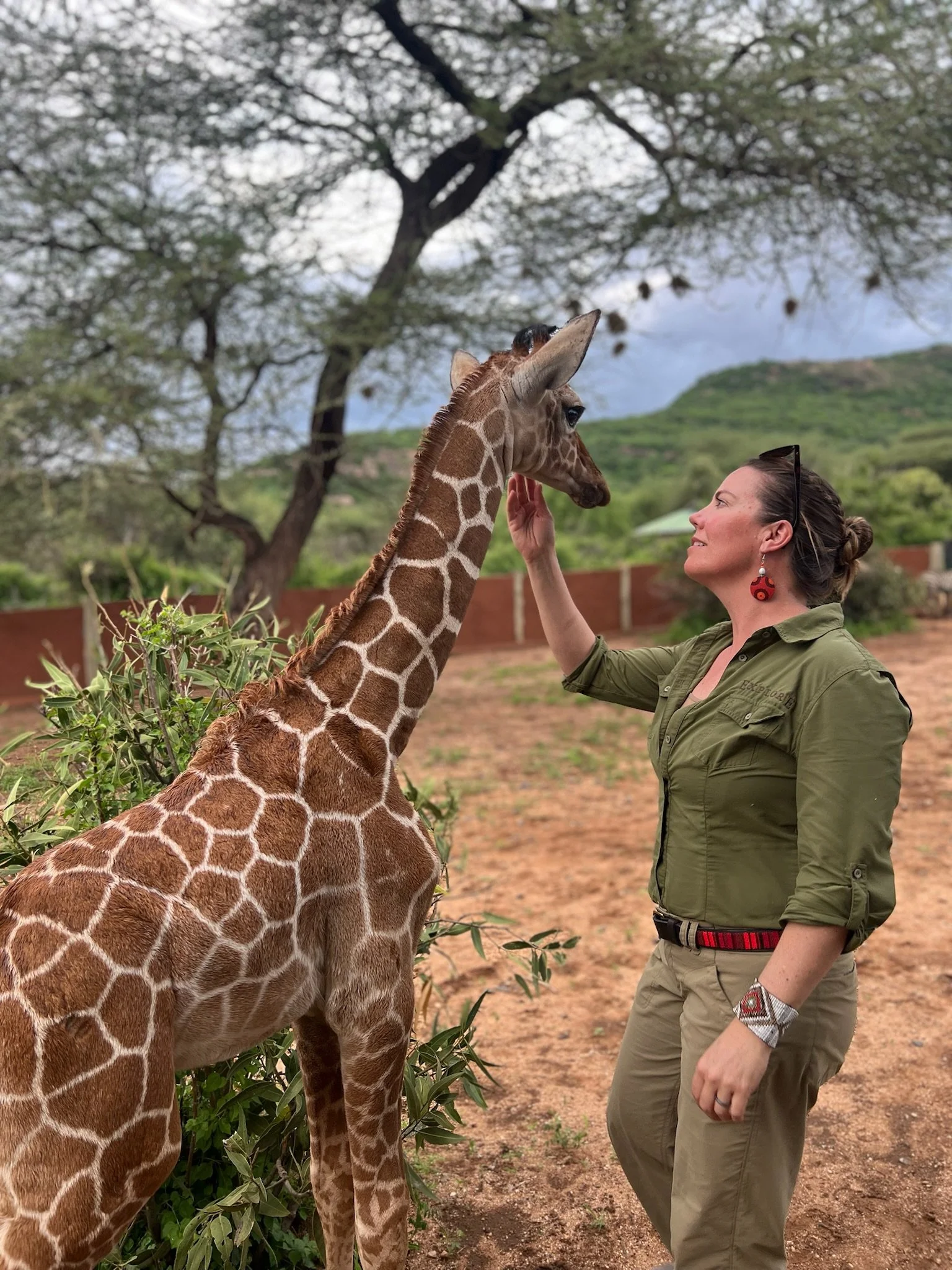
Throughout my entire journey in Kenya, there were animals. Lots and lots of animals! Highlights included a large herd of elephants, including babies, crossing the rain-swollen Ewaso Nyiro River. Playful lion cubs at sunrise. A cheetah stretched out in the grass, completely unbothered by our presence. Even for me, after many safaris, I still saw species I had never encountered before: Grevy’s zebra, reticulated giraffe, and gerenuk, all unique to the drier northern regions of Kenya.
Another highlight for me was staying at Tangulia Mara Camp, the first fully Maasai-owned and operated safari camp in Africa. The camp was founded by Jackson Ole Looseyia, who many people will recognize from Big Cat Diaries. Jackson grew up in a traditional Maasai community and later became the first Maasai guide to complete formal professional guide training. He is an extraordinary storyteller, and you can feel how proud the staff are to share their culture, identity, and knowledge with guests.
Beyond the Game Drives
I spent nearly three weeks in Kenya. A friend asked me, half joking, if it was boring doing game drives day after day. The truth is, I did very few game drives. Kenya offers so much more than wildlife viewed from the back of a vehicle. My days were filled with experiences that were active, immersive, and often completely unexpected:
Riding horses alongside eland, zebra, and giraffe
E-biking through the Mara, mud-splattered and laughing, until our guide suddenly rerouted us after spotting a lioness with a fresh kill just ahead
Walking across fossil-rich valleys, where evidence of early human life still rests in the soil beneath your feet
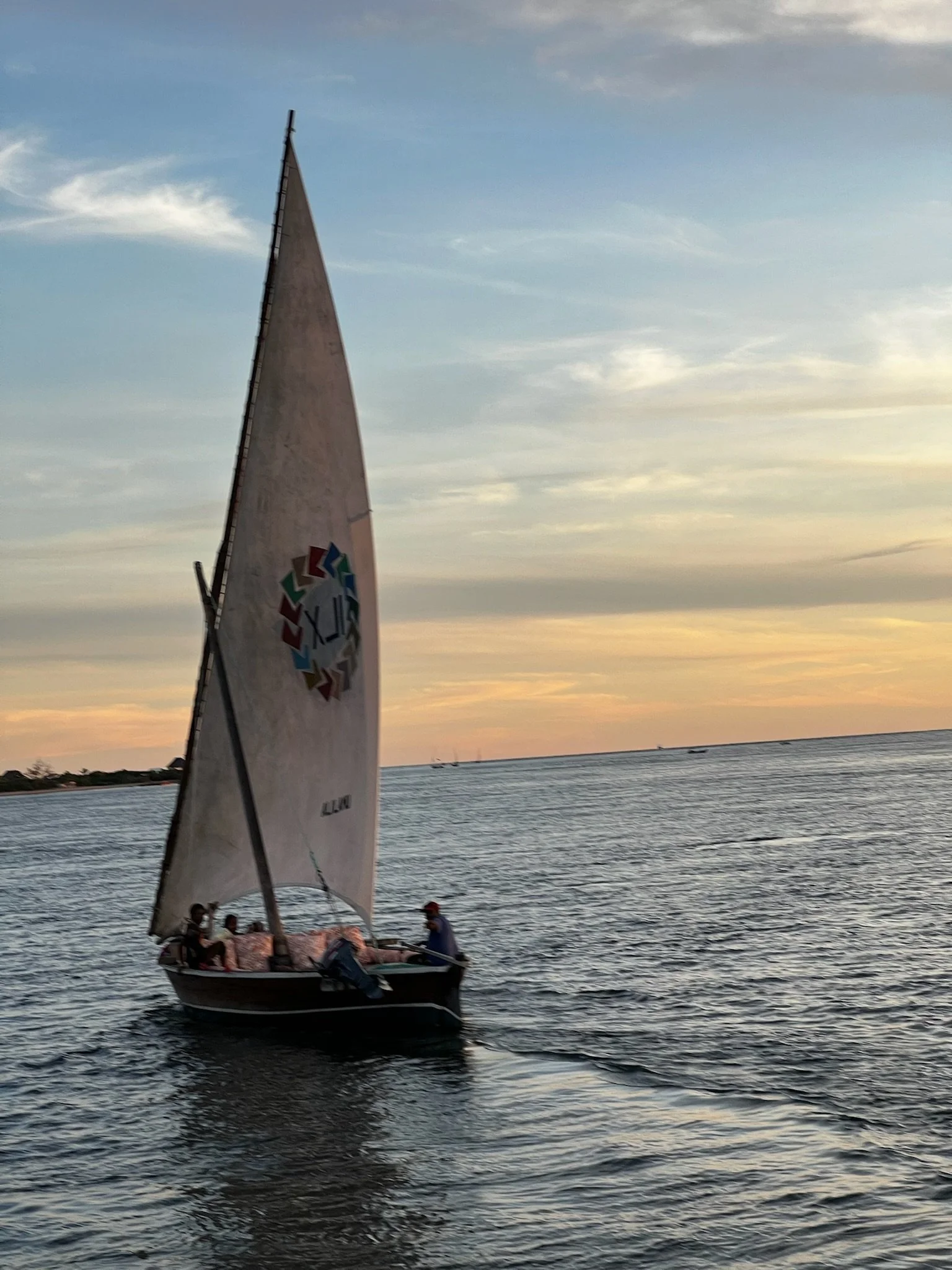
Swimming and snorkeling in the warm, impossibly blue waters of the Indian Ocean
Sliding down natural rock formations that become flowing water slides when it rains
Visiting both Reteti and the Sheldrick Wildlife Trust sanctuaries
Waking at sunrise to join Samburu women delivering milk to feed orphaned animals
Playing letter games with children at a tourism funded Montessori school
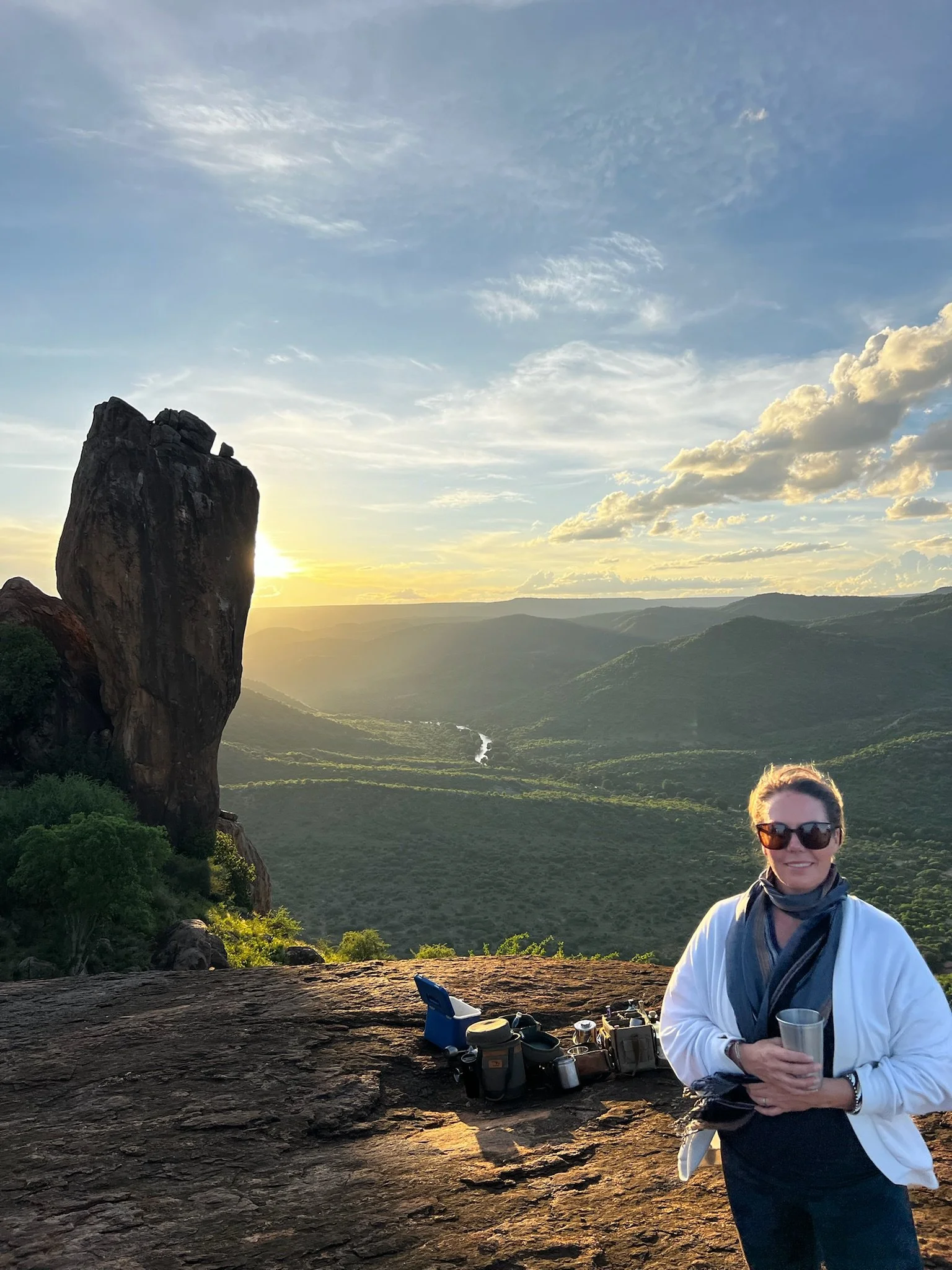
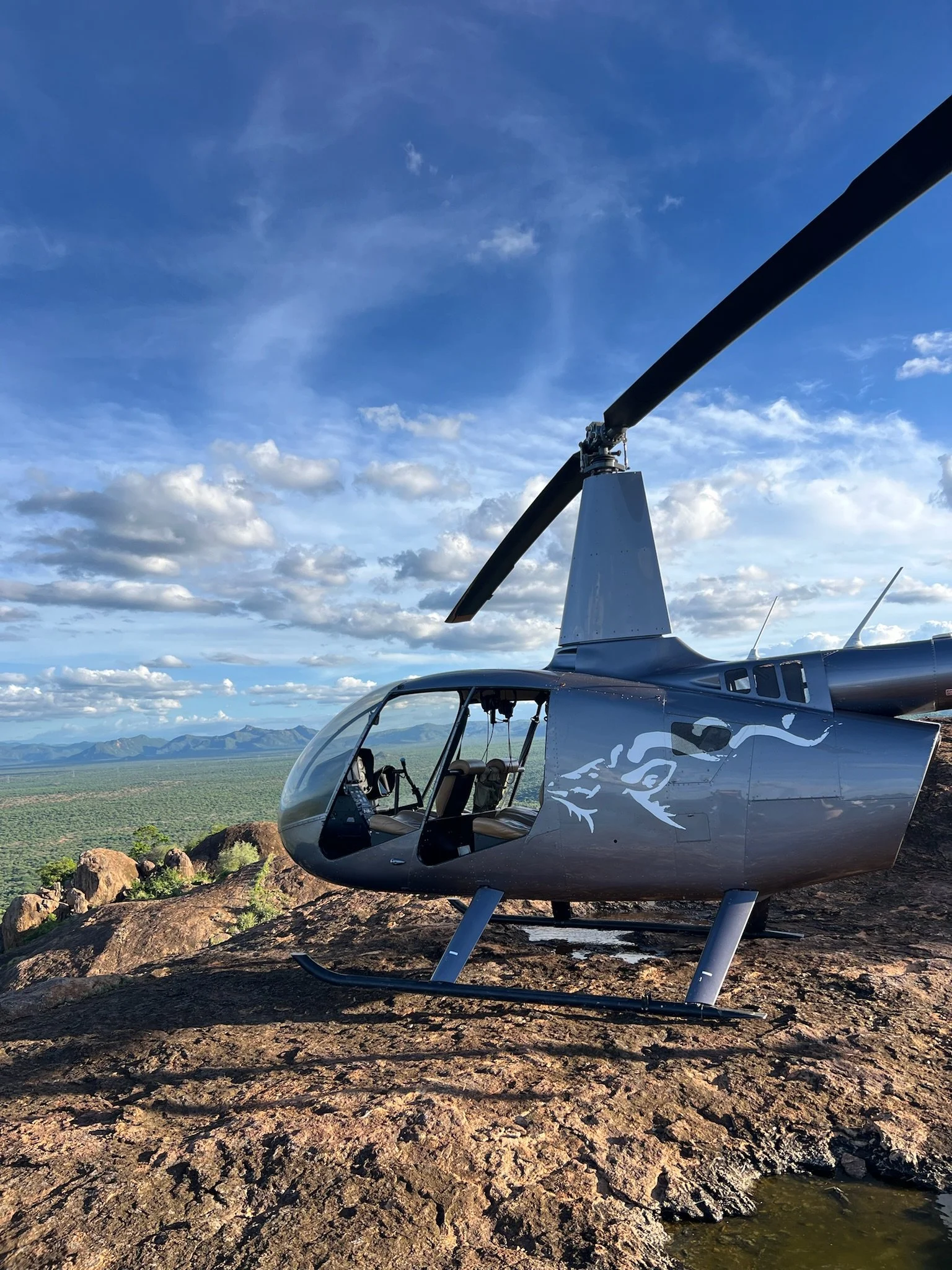
Flying by helicopter over Laikipia, landing on a rocky outcrop for a sunset gin and tonic with views that stretch in every direction
Sleeping out under the stars in a fly camp, waking to find ourselves in the middle of a pack of wild dogs on the hunt
Wandering the narrow stone streets of Lamu, where centuries of Swahili, Arab, and Portuguese influence linger in the architecture and rhythm of daily life
Sharing meals with the people who built the camps, grew the food, and whose stories bring a deep sense of place and connection to the experience
Why This Trip Will Stay With Me
I almost didn’t go on this trip. My mom had been hospitalized until just two days before I left, and I struggled to travel that far away from home. But with encouragement from my family, I went. And I’m deeply grateful that I did.
The trip gave me far more than professional insight for my work at EXPLORE. It reminded me why I love Africa so much and why this work matters to me. The people dedicating their lives to conservation, to community, and to creating experiences that feel meaningful beyond simply spotting wildlife. This is what inspires me. And somewhere along the way, between the wildlife, the conversations, the stillness, and the enormous skies, I felt that strange sense of belonging again.
Kenya offers incredible safari experiences, yes. But if you let it, it can also offer something deeper and far more personal. At EXPLORE, that is exactly the kind of journey we hope to create for our clients. Thoughtful experiences that feel connected to the people and places behind them. We are ready to start that conversation whenever you are ready …